
A lot of homes in the UK leak heat through their walls. Insulating cavity walls keeps it indoors. It warms homes and reduces bills. Government and energy firms provide funding to pay for it. However, many wonder if an insulation grant includes cavity wall insulation.
Yes, it does, but it is available for specified individuals. It depends on your home, income, and the type of grant scheme.
What Is Cavity Wall Insulation?
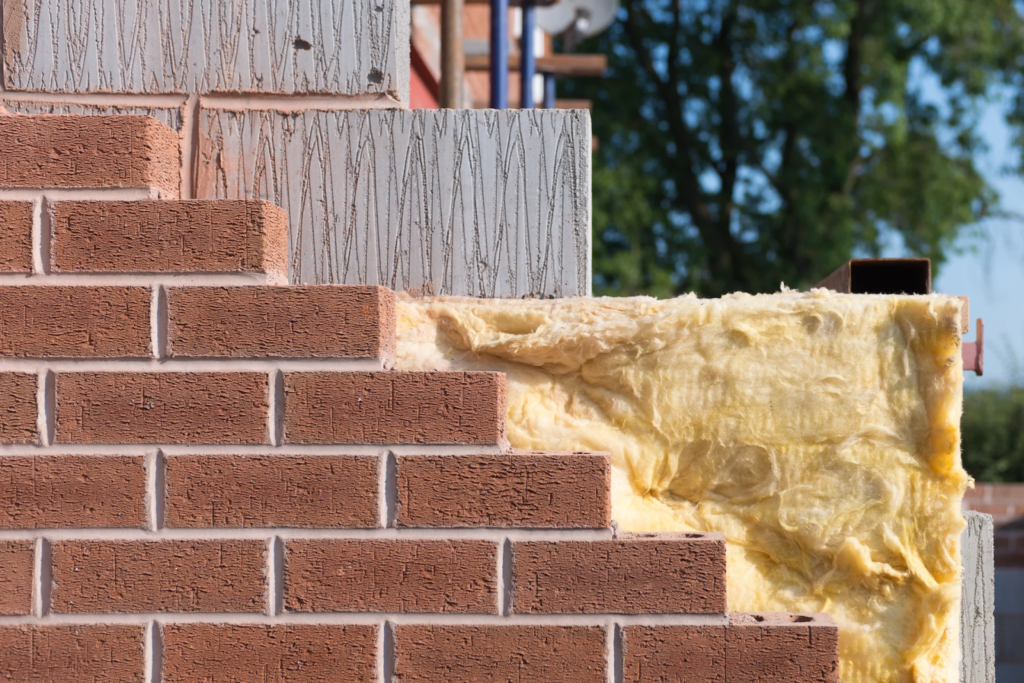
Cavity walls are made of two layers with a gap in between. That gap lets heat escape. Cavity wall insulation fills that space with material. The filling keeps the heat inside during winter.
It also stops homes from getting too hot in summer. Materials to be used are foam, beads, or mineral wool. A skilled individual installs the insulation in the walls. Once done, you notice lower heating costs quite quickly.
Why Grants Exist for Cavity Wall Insulation
It is pricey to warm a home in the UK. Energy bills are going up each year. The government hopes to help bring down those bills. Grants also aim to lower carbon emissions. Insulation reduces the energy a household needs. It helps the UK in achieving its climate goals.
Grants encourage more people to upgrade their homes. One of the best improvements is cavity wall insulation. That is why it is often included in grant schemes.
The Main Grant Schemes Available
The primary scheme is the Energy Company Obligation (ECO). Large energy suppliers fund the work. ECO offers free or cheaper insulation to certain households. Some local councils also offer their own support.
Schemes can differ from one region to another. It is always best to check what applies in your area. Some housing associations even offer grants to tenants. Most of these focus on cavity wall and loft insulation.
Who Is Eligible for a Grant?
Not every home or person can get funding. There are clear rules on who qualifies. Grants often depend on income or benefits. Low-income households must be on certain benefits. Those who are claiming following benefits can apply;
- Income-based Job seeker’s Allowance (JSA)
- Income-related Employment & Support Allowance (ESA)
- Income Support Allowance (ISA)
- Working Tax Credit (WTC)
- Child Tax Credit (CTC)
- Universal Credit (UC)
- Pension Guarantee Credit
- Pension Savings Credit
Important Note: However, if you are not on benefits, you can still apply if you live in property with Council Tax Band from A to D (A to E for Scotland & Wales).
Other vulnerable households, such as those with older members, are also a priority. Home owners are also qualified, but even private tenants are also qualified. Landlords sometimes must agree before work is done.
Property Requirements for Cavity Wall Insulation
The home itself must be suitable for cavity wall insulation. Not all properties are right for it. Builders commonly constructed homes with solid walls before 1920. These cannot take cavity insulation. Most houses built after 1924 have cavity walls.
A survey is done before installation. The walls must be in good condition and free from damp. The property must also meet width requirements for the cavity gap. If the survey finds problems, the grant may not apply.
How to Apply for a Grant
The process starts by finding an approved installer. Installers often apply on your behalf. They will check your eligibility for funding. They also arrange a survey of the property. If approved, work is booked at no cost or low cost.
Applications can be made online through grant websites. Some councils have application forms on their own sites. It is always free to apply. You should never pay upfront to check eligibility.
Benefits of Getting Cavity Wall Insulation Through a Grant
The biggest benefit is lower heating bills. Many households save hundreds each year. The home feels warmer and more comfortable. Installation costs are frequently fully covered by grants. That means you can get it done without paying.
In some cases, you may pay a small part. It adds value to your home. It also helps minimize carbon emissions, and it’s good for the Earth. The benefits continue for years after installing the insulation.
Common Questions About Grants
Some people think grants are only for homeowners. That is not always true. Tenants can also apply, but landlords must give permission. Others believe only old houses qualify. In fact, many modern homes still benefit.
Another common worry is damp problems. Grants will not cover homes with damp, but repairs may help. Many think the process is complex. In reality, installers handle most of the paperwork. This makes it easy for applicants.
Key Takeaway
Yes, a free insulation grant often covers cavity wall insulation. But eligibility rules are strict. Your income, benefits, and home type all matter. A survey is always required before work starts. The ECO scheme is the most common route for support.
Other grants may also be available through councils or housing groups. If your home is suitable, applying is simple. The savings on heating bills can be large. It is worth checking if you qualify today.
FAQs
1. Do all insulation grants include cavity wall insulation as an option?
No. Some schemes will fund several types of insulation, including cavity walls, while others are limited to loft, solid wall or underfloor measures. Check the small print for each scheme so you know exactly which upgrades are covered in your area.
2. If my home already has some cavity wall insulation, can I still get a grant?
Possibly, but it depends on the condition and age of the existing insulation. If surveys show the current material has failed, is patchy or was never installed properly, some schemes may allow top‑ups or remedial work, while others will only support completely uninsulated cavities.
3. How long does the whole grant process usually take from enquiry to installation?
Timings vary, but many households move from first enquiry to completed cavity wall installation within a few weeks. The key stages are eligibility checks, a home survey and then booking a slot with an approved installer, which can be slower in busy winter periods.
4. Will having a grant-funded cavity wall installation affect the value of my home?
In many cases it can be a positive, because better insulation often improves the Energy Performance Certificate (EPC) rating. A higher EPC can make a property more attractive to buyers or tenants who are conscious about running costs and energy efficiency.
5. What happens if the surveyor says my walls aren’t suitable for cavity insulation?
If your property has solid walls, narrow cavities, damp problems or structural issues, the installer should explain why cavity wall insulation is not recommended. They may suggest alternative measures instead, such as internal or external wall insulation, loft insulation or other energy‑saving upgrades that might still be covered under different grant routes.
For more UK stories, trends, and surprising insights, explore these related reads:
- Ultimate Guide to Brick Lane Junkyard Golf and Junkyard Golf Leeds 2025
- Chichester Lakeside Holiday Park UK 2025 Guide
- Houses for Sale Chichester 2025
- Liverpool ONE Recruitment Guide 2025
- Knowsley Safari Park Visitor Guide 2025
- VC 50p Coin Collector Guide 2025
- Strictly Come Dancing 2025 Full Update Stars Highlights
- Cillian Murphy Young Early Life Childhood Acting Journey
- Alex Scott Bournemouth 2025 Rising Star Profile Stats
For official guidance and extra support on insulation grants, you can also check:
- UK Government – Energy Company Obligation (ECO) overview
- Ofgem – Great British Insulation Scheme information for homeowners and tenants