
Many UK houses still lack proper heating. This can make winter cold, uncomfortable, and expensive. If you’ve never had central heating installed before, you might be struggling with expensive bills or inefficient heaters. But did you know that the UK government offers first-time heating grants through the ECO4 scheme to help?
They provide free or very discounted central heating to homes that never had it before. You could get a new gas boiler and radiators at no cost if you qualify. This means you will have a warmer home, lower bills, and better efficiency.
In this article, we will cover how first-time heating benefits work, who qualifies, and how to apply.
What is the First-Time Heating Grant?
A first-time central heating grant is part of the ECO4 Scheme. ECO stands for Energy Company Obligation. It is a government-funded scheme that is in place until March 2026.
The goal of ECO4 is to increase the energy efficiency of low-income or vulnerable families. One way they do this is by installing free first-time central heating in houses that never had it before.
These houses typically depend on:
- Electric heaters
- Open Fires
- Bottled gas heaters
- Solid fuel stoves
- Or no heating at all
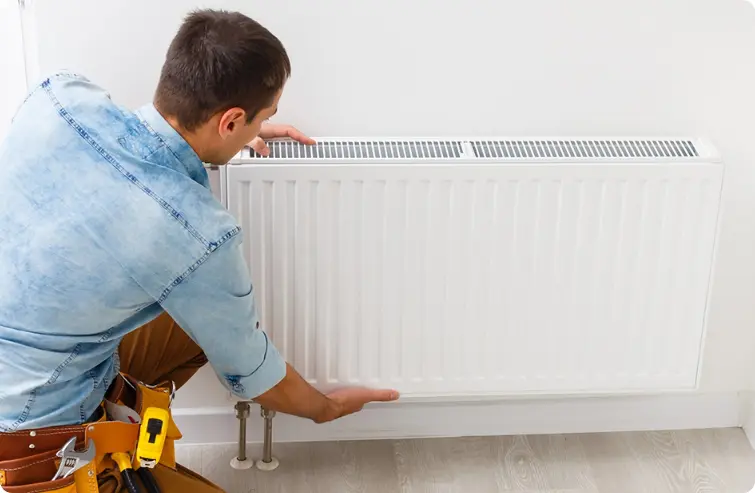
The grant pays for the full central heating system, including:
- A new boiler
- Radiator in every room
- Thermostat and smart controls
- Piping and installation
All of this is done by licensed engineers and in most cases you pay not even a single penny.
How First-Time Heating Grants Help UK Homes
Here’s the way that benefits UK houses:
- Provide Free Central Heating for Homes Without It
Most of the UK’s houses, particularly the old houses, were built with no central heating. Some of them still rely on expensive electric radiators, open fireplaces, or old storage heaters that heat unevenly.
A first-time heating grant transforms these houses entirely by installing a new gas boiler, radiators, and intelligent heating controls. Paying the full cost of installation, the grant allows anyone to experience cost-effective and efficient heat.
- Reduce Your Energy Bills
Those houses that lack central heat pay more on their bills because inefficient systems are used. Electric radiators are three times as costly to run as gas central heat.
Families are now able to save up to £800 annually on fuel bills thanks to the installation of new gas boilers and radiators.
- Improve Energy Efficiency and Reduce Wastage
Houses without central heating consume high levels of energy because they are not properly insulated and lack effective heater controls. Old heaters consume more fuel than needed when you don’t service them properly.
When you add proper insulation and install an efficient boiler, your house retains warmth longer and loses less heat. Not only is this cheaper, but it is also kinder to the environment as it minimises carbon emissions.
- Improve Property Value and Comfort
A central heating system makes the house more comfortable and valuable. Without central heat, houses would be cold and damp and not so pleasant to live in.
A house that has a working heating system is not just more convenient but is also more appealing to potential buyers. This is especially worth considering if you are considering selling or renting your house in the near future.
- Support Low-Income and Vulnerable Families
Heating the house is expensive, especially for pensioners, low-income families, and benefits claimants. Most families struggle to afford expensive heat bills, and this leads to cold houses that impair their health and quality of life.
This grant keeps individuals from experiencing the cold as they are unable to pay to install a heat source. It is of immense support to the enhancement of living standards and the provision of a better quality of life to numerous UK families.
Who Can Get a First-Time Heating Grant?
You can get the grant if you meet three main conditions:
- You’ve Never Had Central Heating
This grant is only for homes with no history of central heating. If your home had central heating in the past—even if it was removed—you likely won’t qualify.
- You Receive Qualifying Benefits
Someone in your home must be receiving one or more of these:
- Universal Credit
- Pension Credit (Guarantee or Savings)
- Income Support
- Child Tax Credit
- Working Tax Credit
- ESA (income-based)
- JSA (income-based)
If you don’t get any of these, don’t worry—you might still qualify under something called LA Flex.
- Your Home Has a Low EPC Rating
Your property must have an Energy Performance Certificate (EPC) rating of D, E, F, or G. Experts consider these low, meaning your home wastes a lot of energy.
If your home is already rated A, B, or C, you won’t qualify.
How to Apply for Central Heating Grants?
The process is straightforward and doesn’t take long.
Step 1: Check Your Eligibility
You can do this online in a few minutes. Most grant websites have a short form asking:
- Your address
- What heating do you currently have
- What benefits do you receive
- If you rent or own your home
Step 2: Book a Free Survey
If you qualify, you’ll get a visit from an assessor. They’ll inspect your home to:
- Check your heating
- Look at your insulation
- Confirm your EPC rating
- Plan the installation
This is a free, no-obligation survey. No pressure to go ahead.
Step 3: Install Your Heating System
If your application is approved, the company will:
- Schedule the work
- Bring the boiler, pipes, and radiators
- Fit the system within 2–5 days
- Test everything and explain how it works
You’ll now have full central heating for the first time—at no cost to you.
The Bottom Line
Living without proper heating is hard. It makes winters longer, bills higher, and life more stressful. That’s why first-time heating grants are so important. They truly help people whom older heating systems have failed or people who can’t afford to upgrade on their own.
You could receive a free central heating system if you meet your council’s rules or receive certain benefits and your home has never had central heating. The grant pays for everything—boiler, radiators, controls, and labour.
And once it’s done, you’ll enjoy a warmer, safer, and cheaper home. This matters even more if you’re trying to understand things like are oil-filled radiators cheap to run, since the right heating upgrade can reduce your energy costs long-term.
To read more: click here